

Most people find it challenging to fight against poor posture or balance. Particularly underdeveloped or inappropriately used gluteal muscles are usually a sneaky factor behind most alignment and stability problems.
When left untreated, this can be uncomfortable, limit movement, and even cause chronic back pain and strain, making simple tasks unfeasible. When you achieve tightness in the glutes, you can improve your body’s position, balance, and movement control. This article will also explain how to ensure your glutes are active and strong and the steps you must take to transform your health, fitness, and confidence.
What Are Glutes and Why Do They Matter?
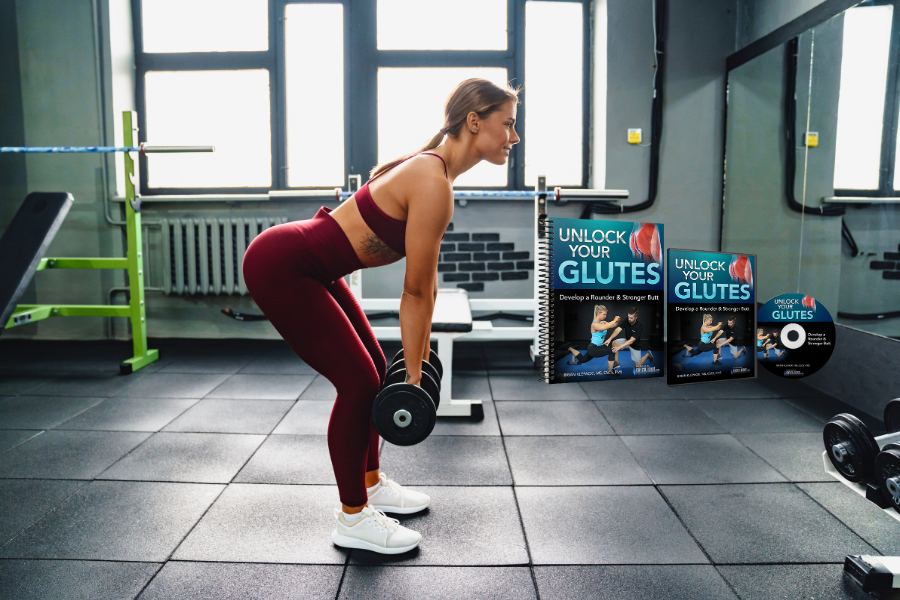
The glutes, or gluteal muscles, are a group of three muscles located in the buttocks. The gluteal aponeurosis is so named because it combines the contractions of the gluteus maximus, gluteus medius, and gluteus minimus. They are big muscular structures essential to movement, spinal alignment, and weight-bearing mechanisms. They are used in basic movements such as walking, running, jumping, and climbing stairs; thus, they are key lower limb muscles that can help transform your glutes.
Strong and developed gluteal muscles are critical to the overall body structure and the spine’s position. Your bodyweight glutes must be strong, aspersing the brand properly as they support and remove the lower back while maintaining balance. If your glutes are considered weak, you will likely have problems such as poor posture, back pain, or reduced athletic ability.
This also increases the chances of injury, mainly at the knee and hip joints, especially if you don’t use proper form. In addition to their utility value, correspondingly developed glutes can help a person have defined and appealing buttocks and, therefore, more confidence. They improve the general shape of the physique and assist in attaining superior symmetry.
Signs of Weak Glutes
A bad glute workout can affect your body in almost every aspect of your daily life. Failure to recognize these signs early is detrimental to your health since identifying the cause of the imbalance can help correct posture, strength, and mobility. Below are the key signs to watch out for:
Difficulty Maintaining Proper Posture
If you’ve poor posture that either causes the lower back to you or you have to hunch over to stand, then weak glute muscles may be to blame. These muscles are of great importance in fixing your pelvic and spinal regions. If the muscles are not strong enough, your body bends in another area to compensate for the lack of strength, thus creating misalignment that can be corrected by following proper techniques from a video on YouTube.
Chronic Lower Back Pain or Hip Discomfort
Problematic glutes cause other muscles, such as the lower back and hips, to take most of the load. This leads to an extra load on these areas; over time, the user will start experiencing pain. Strengthening the glutes may reduce this, as it will help spread the weight well and thus reduce the pressure on the lower back, allowing you to pump your glutes more effectively.
Limited Mobility or Poor Athletic Performance
In light of this, closely related ailments of underactive glutes incorporate running, jumping, or climbing stairs feeling harder than before. You may see muscle force stiffness or decreased power in activities that involve stretching past the hips or using hip mobility muscles.
Visible Imbalance in Muscle Development
If your glutes are not developed, other muscles, such as your quadriceps or hamstrings, will do most of the work. This is sometimes done intermittently, which harms your muscles or can cause very notable imbalances within your lower body. When you make efforts to work out your gluteal muscles, you rebuild your body balance and ensure that both sides are symmetrical, ultimately helping you move and feel better, just like in Coach Brian’s programs.
6 Effective Exercises to Activate and Strengthen Glutes
Gluteal muscles are essential for posture, stability, and athletic performance. These six muscles are the techniques for working on and waking up the gluteal muscles. Both target different areas of the gluteal muscles and help develop them, resulting in a rounder shape. It is time to consider these bodyweight exercises in more detail.
Glute Bridges
Glute bridges are fundamental-level workouts that accommodate the gluteus maximus muscle groups. This move is brilliant for learners and is particularly helpful in transforming inactive glutes. The starting position of this home remedy for pain relief involves lying flat on your back with your knees flexed and feet resting on the ground.
Slide down your heels to raise your booty, contracting the butt muscles at the peak of the movement. Lower slowly and repeat. Performing these best exercises helps build the ‘posterior’ and alleviate pressure on the lumbar region, especially for desk-bound individuals.
Hip Thrusts
Hip thrusts are another advance from the glute bridge, involving the gluteus maximus with some weight. Lay on your back on a bench and slide down to position your upper back on the bench. Put a barbell across your hips so that it may exert some pressure towards the floor.
Scoop through your heels to raise your tail until your body becomes straight from the shoulders to the knees. Reach the top and then descend gradually. Unsurprisingly, hip thrusts are an excellent way to increase glute mass and strength players utilize.
Tight hips can contribute to lower back tightness and discomfort. When the hip joints and surrounding muscles become tight, they can affect the alignment of the pelvis and put added stress on the lower back, making it vital to focus on the piriformis for relief. This can lead to issues such as increased curvature of the lumbar spine and compression of the spinal discs.
Bulgarian Split Squats
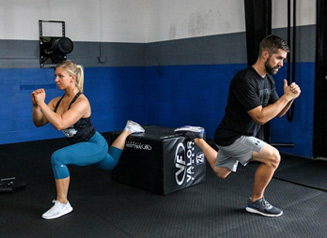
This unilateral training exercise targets only one leg at a time to enhance muscle balance and coordination. Stand to one side and put one foot on the bench with the other foot.
Bend your knees and lower your hips until your front thigh touches the ground, similar to the frog position in flexibility exercises. Then, push your feet through the floor towards the ball of your back foot to stand. Like the other Bulgarian variations, this exercise specifically targets the glutes, quadriceps, and hamstring muscles.
Clamshells
Clamshells are specifically designed to target the gluteus medius, one of the three glute muscles, and a smaller one aimed at stability. Lay down on your side, bend both knees and remember to loosen your muscles before starting the exercise. Maintain rigidity in your legs, then raise the top leg as close to your abdomen as possible to effectively pump your glutes. Lower slowly and repeat. Thanks to clamshells, one can restore muscle balance, get firmer discs, and minimize the chances of injuring the hip or knee joints.
Deadlifts
Deadlift is a must-do compound exercise that involves almost all the lower body muscles but is major in glute training. Start with the legs wider than shoulder-width apart, and grab a barbell or dumbbell in the middle of the handles.
Bend at the hips to lower the weight, keeping the back straight. Slide through your heels back to standing. Deadlifts are strength and power lifts that benefit the glutes and are generally beneficial for any plan.
Dynamic Stretches
These stretches can be categorized as dynamic stretching. They help build up the glute muscles and adjust to prepare for vigorous exercises.
These stretches are not just warm subs but also warm up the glutes and are ready for specific exercises to be done on them. Therefore, by adopting stretches in strength training, the overuse of individuals’ muscles and tendons is avoided, thereby improving individuals’
Benefits of Unlocking Your Glutes
Releasing and engaging your gluteal muscles improves your well-being and performance, making it essential to get your glutes involved in every workout. Great buttocks are not only aesthetic assets; they also help our bodies perform many crucial tasks. Now, let me walk you through some of the main advantages of exercise over posture, particularly how it can help you get your glutes activated. and spinal alignment.
If your glutes are well developed and recruited, they will aid your lower back and posture. A sitter with poor glutes generally sits hunched up and often leans on their lower back muscles for support.
This is important because engaging your glutes would ensure the right alignment of the pelvic area and, hence, give you the right posture. It also means that you can stand taller with less stress on your lumbar spine, which can lead to short-term and long-term complications such as lower back pain.
Enhanced Balance and Stability
Gluteal muscles also serve as postural muscles, helping to stabilize the body while in motion. Healthy gluteal muscles lead to sound posture and balanced positions, enhancing supported standing, hip abduction, legs, and core.
This added activation core stability. Flexibility is especially desirable during load-lowering activities such as walking, running, lifting, and engaging the glutes in lifelong activities or sports. It increases control and body balance and decreases the risks of falling or having an accident.
Reduced Risk of Injuries and Pain
Poorly developed gluteal muscles commonly cause knee, hip, and lower back pain. Engaging and fortifying the gluteal muscles minimizes pressure on other muscle bands, including the hamstrings and lower back muscles, which are often overworked when the buttock muscles are weak.
Succulent glutes also shield against other body muscles, helping avoid muscle imbalance injuries. Thus, most movements, such as lifting an object, jogging, or even sitting long, are very safe for the body.
Boosted Athletic Performance and Strength
An important function of your glutes is to produce force in activities with a range of motion activities, such as running, jumping, and lifting,g. Engaging your glutes is beneficial for performance because it connects and passes on energy from one musculasystemer.
This means full power, more effective movements, you know, if you are into sports activities or if you like exercise. Better dev sport’s gluteal muscles will make you a faster, stronger, and more enduring athlete, whether training for a race or engaging in other forms of physical activity.
Final Words
It’s not just about performing heavy exercises to get your glute. It’s about making your movement patterns, balancing nutrition from your food, and improving your well-being.
In other words, if you want to change your sitting posture to make your spine hale and healthy, reduce your pains, and prevent yourself from aches and pains that may arise from sitting for long hours, you must strengthen these muscles.
Whether the individual in question is an athlete or a person who wants to earn how to walk, run, or sit without pain, firm buttocks are important. Specific movements, as well as keeping up with the exercise schedule, may provide positive effects in the long term.
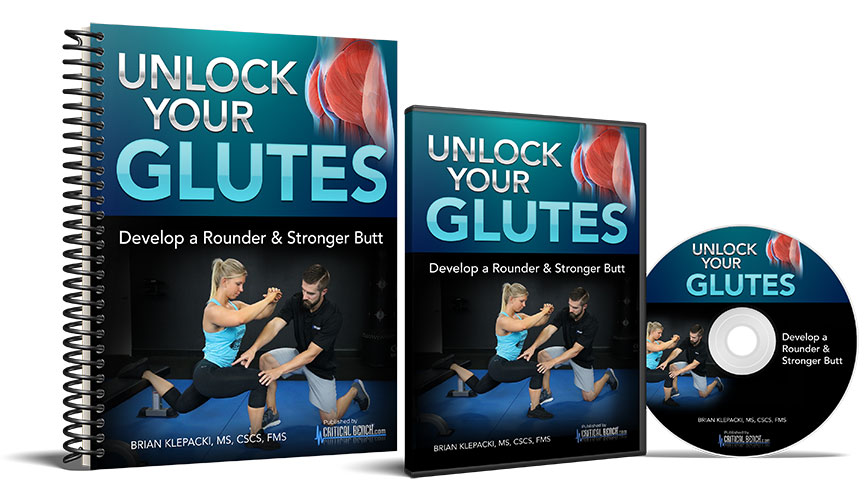
Click here to order now !! ➡️
Achieve the glutes of your dreams with the Unlock My Glutes program, designed to deliver noticeable results through targeted, science-backed exercises. Whether aiming for enhanced strength, better athletic performance, or a sculpted look, this program is your go-to solution for achieving a rounder glute shape.
Plus, it comes with a 60-day money-back guarantee, allowing you to try it risk-free. If you’re not happy with the program for any reason, send me a request for a full, hassle-free refund. I’ll immediately return all of your money. Start your transformation today and take the first step toward a stronger, more confident you!